Cancer Deep Guide: Care Without Dependency
한국어 · Learning stage: Zodiac deep dive
Calling Cancer tearful or family-oriented does not explain the behavior. Cancer is more likely to notice that someone stopped eating, a face changed across the room, or a familiar routine has been disrupted. Anticipating needs can be a real strength. It becomes heavy when Cancer takes on work no one requested and waits for equal care to be offered without asking.
| Symbol | Crab ♋ | Typical Sun-sign dates | About June 21–July 22 |
|---|---|---|---|
| Element | Water: reads situations through feeling and relationship | Modality | Cardinal: initiates protection and connection |
| Traditional ruler | Moon: bodily rhythms, care, memory, everyday change | Opposite sign | Capricorn: establishes role, time, and responsibility |
Boundary dates change with year and time zone. Births near June 21 or July 22 require the date, time, and place to calculate the Sun’s actual position.
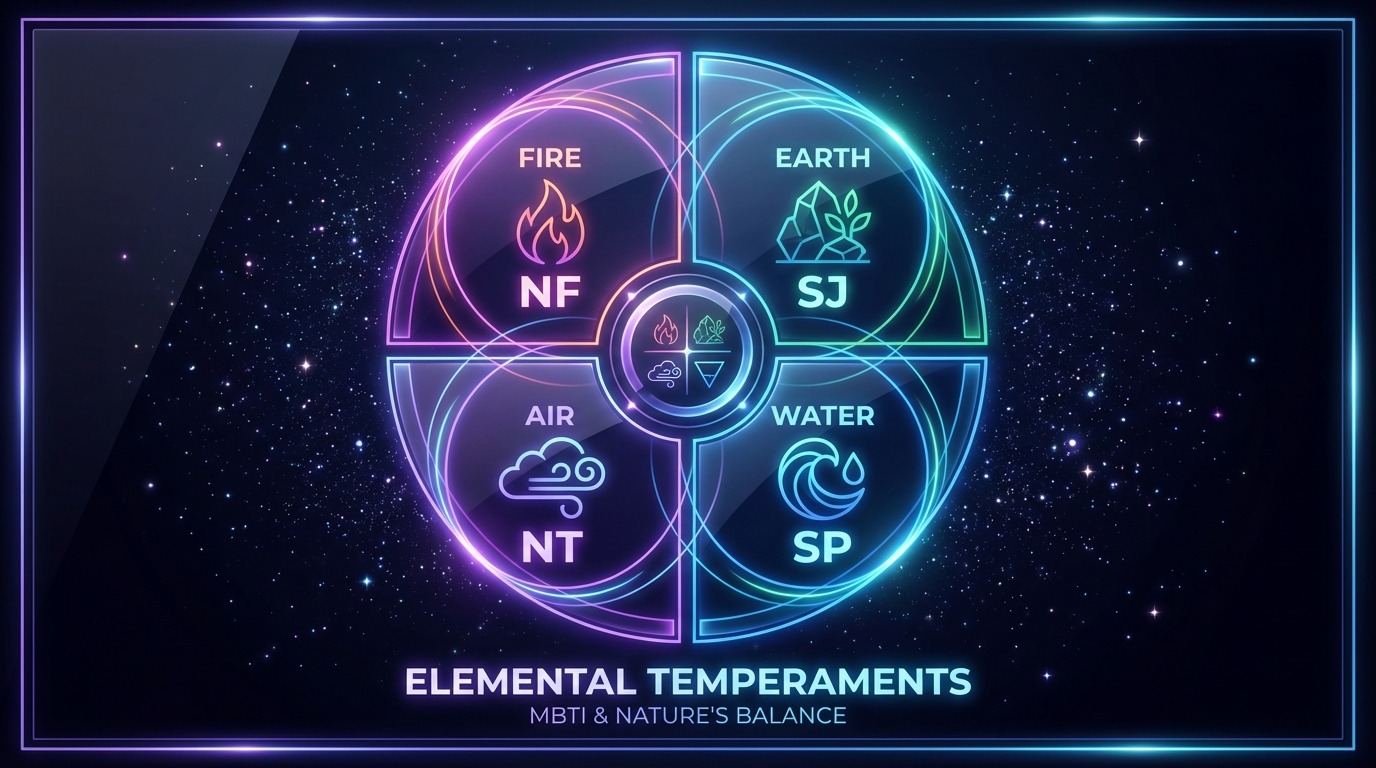
When cardinal water meets the Moon
Water signs emphasize feelings and changes in relationship that words do not fully capture. Cardinal signs begin a new season and tend to initiate. In astrological tradition, the Moon is associated with bodily needs, care, memory, and repeating daily life.
Together, these symbols describe a sign that creates conditions in which people can settle. Sending orientation notes to a new colleague, remembering a family medication schedule, or preparing a familiar meal in a strange place are practical examples. The key is not merely being nice. It is noticing early what helps people feel safe enough to participate.
How Cancer differs from Scorpio and Pisces
Scorpio examines the depth of trust and hidden motivation. Pisces extends empathy across established divisions. Cancer decides who belongs in the close circle, then provides repeatable care and familiarity inside it.
How Cancer differs from other cardinal signs
Aries initiates action, Libra initiates agreement, and Capricorn initiates roles and goals. Cancer begins by creating an emotional and practical base from which people can move. The modality is shared; the thing being started is different.
Cautious at first, attentive once close
In a new setting, Cancer may watch relationships before speaking freely. Once trust forms, it may remember a favorite meal, a difficult anniversary, or the kind of contact that helps someone relax. The opening can look slow, while the maintenance of a trusted relationship is persistent.
Tension begins when remembering becomes an unspoken contract: “I noticed all of this, so you should know what I need.” People express attention differently. Ask for behavior—“Please be the one to call first this week”—instead of waiting for someone to pass a test they cannot see.
Secure Cancer protects; stressed Cancer retreats
When secure, Cancer notices small changes without immediately giving them the worst meaning. It asks whether help is wanted, states what it can provide, and leaves the other person something to do. Protection supports another person’s movement; it does not live their life for them.
Under stress, Cancer can rehearse a conversation internally, withdraw contact without explaining the hurt, and hope silence teaches the lesson. Solitude can restore energy. Silence used as a test usually lengthens the conflict.
In relationships, care needs choice
Cancer often builds intimacy through ordinary repetition: meals, safe arrival texts, and a familiar place on a hard day. These can become a love language. Yet deciding for someone who wants to try alone can make protection feel controlling.
Before helping, ask whether the person wants listening, joint problem-solving, or direct assistance. A different answer is not rejection. Care is easier to receive when the recipient keeps a choice.
Care versus dependency
Care respects what each person can do and supports the missing part. Dependency grows when one person’s mood and schedule repeatedly control the other’s day, and saying no feels like betrayal. When you think, “They cannot manage without me,” separate what they requested from what you assigned yourself.
In family life, Cancer may become the memory keeper
Birthdays, appointments, groceries, and the small facts that keep a household operating can accumulate with one person. Because this labor is hard to see, others may treat it as automatic. A shared calendar and named ownership for shopping, calls, and care prevent a whole family from depending on one memory.
Family does not create an unlimited obligation. State the help available this week, the money you cannot contribute, and the task another relative needs to take. A boundary does not require a long defense.

At work, Cancer keeps people and process connected
Strengths appear in noticing what a new colleague does not know, drawing an unspoken customer problem into a useful question, and remembering why a team made an old decision. Roles that preserve organizational memory or make questions safe can fit this pattern well.
The risk is losing personal work time to everyone’s condition. Before accepting a request, ask for deadline, expected effort, and original owner. Turn repeated questions into documentation and schedule a help window. This protects both kindness and concentration.
Feedback and collaboration
If work criticism feels like rejection of the whole relationship, useful revision becomes hard to hear. Separate the fact, its effect, and the request. “The material arrived late” may describe a schedule impact, not a withdrawal of trust. When you have a complaint, name the behavior and date rather than becoming cold and distant.
Burnout and recovery
Replaying everyone’s tone, solving family and colleague problems after work, and staying available through the phone are signs to step out of the care role. Restore meals and sleep first, and limit the messages you answer in one day. Warm food, a familiar walking route, and a prepared bed are concrete signals that the body can settle. Persistent health concerns belong with a medical professional.
With money, security spending can expand into family support
Emergency supplies, a comfortable home, and meals for close people may feel worth paying for. They can be. The budget becomes unclear when anxiety repeatedly creates stockpiles or recurring family costs are covered without discussion.
Give emergency savings a purpose, such as a set number of months of fixed expenses. Before paying a family cost, name whether it is a gift, loan, or shared obligation. Record the amount and date for a loan. For recurring support, set a ceiling after your own living expenses and savings.
Too much care can become a need to be needed
Noticing needs can hold a relationship together. It can also become reassurance that you are indispensable. If another person’s independence feels hurtful, or a decision made without you feels threatening, revisit what the help was meant to achieve.
Before stepping in, ask whether help was requested, whether you have capacity, and whether the other person retains a role. Experiencing a relationship that survives your “no” makes care and dependency easier to distinguish.
Why people with Cancer Suns differ
The Sun sign is one part of a birth chart. The Moon sign, rising sign, the Moon’s placement, houses, and aspects change how quickly feelings are expressed and how care is offered. Upbringing, family culture, profession, health, and experience can create even larger differences in everyday behavior.
Some Cancer people prefer distance from family or enjoy living alone. Look beyond the shape of the household to where they find safety, who enters the close circle, and how they create a supportive environment.
Frequently asked questions
Is every Cancer emotional?
Cancer may notice feelings and relational change quickly, but expression varies. Some become quiet; others respond through practical help. Feeling emotion and making every decision from emotion are not the same.
Does Cancer always put family first?
No. The close circle may consist of chosen family, old friends, colleagues, or animals. A difficult family history can lead someone to build safety elsewhere.
Which careers fit Cancer?
Look beyond titles. Useful conditions include noticing human needs, connecting past information to present decisions, and having clear ownership for care work. Emotional labor should not silently belong to one person.
Am I Cancer if I was born June 21 or July 22?
It depends on the year, time zone, and exact ingress. Use precise birth information to calculate the chart.
Read next
The four elements · Cardinal, fixed, and mutable · Zodiac rulers · Gemini deep guide · Latest weekly horoscope
Sources for the traditional framework
We compared The Astrology Podcast’s Cancer transcript, its Moon transcript, and Deborah Houlding’s Cancer symbolism essay for the traditional associations of cardinal water and the Moon. CosmicPaw wrote the practical examples. Astrology does not scientifically prove personality or future events.