Palm 103: The Life Line Deep Dive
Key takeaway: Read vitality flow and life rhythm through the life line.
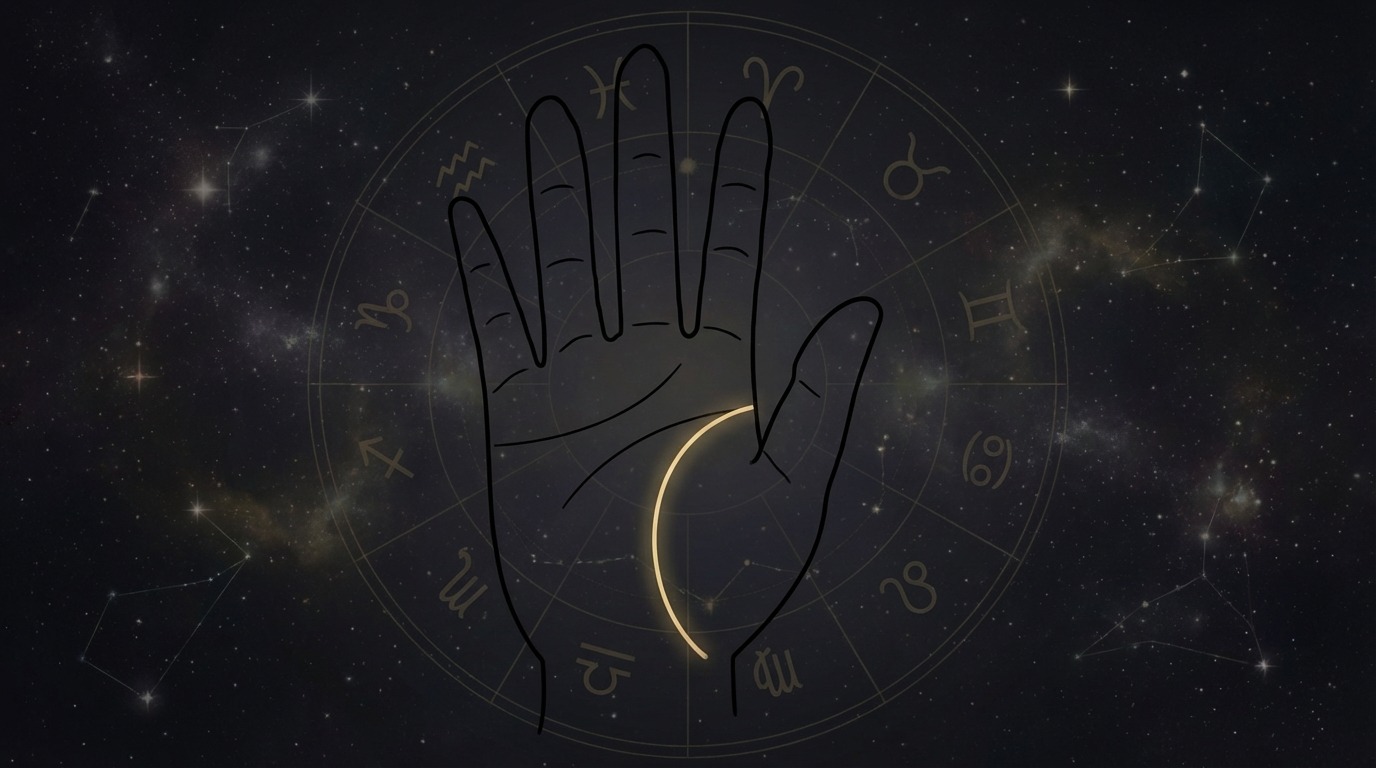
1) Length and Position
Long and bold: Strong vitality and recovery.
Short or faint: Energy can drain faster; routines matter.
Wide arc around the thumb: Broad activity range, stable daily rhythm.
2) Start Point: With the Head Line
Joined at the start: Cautious, body‑aware type.
Separated start: Active, adapts quickly to new environments.
Briefly joined then splits: Careful early, energetic later.
3) Depth and Thickness
Deep and bold: Strong stamina and resistance.
Thin and light: Recovery routine is essential.
Thickness changes: Energy highs/lows across periods.
4) Double Line, Branches, Travel
Double Life Line: Strong resilience and protection energy.
Upward branches: Energy rise and challenge drive.
Travel branch: Opportunity through relocation or movement.
5) Breaks, Chains, Islands
Breaks: Life rhythm shift or environment change.
Chained line: Fatigue accumulation, stress‑sensitive period.
Islands: Slower recovery or energy dip.
6) Interference Lines
Cross bars: Schedule friction or energy drain periods.
Vertical cuts: Work/pressure affecting vitality.
7) Good Flow Signals
Unbroken line: Stable energy flow.
Even thickness: Consistent condition.
8) Caution Signs
Too many fine lines: Overwork accumulation.
Fading end: Strengthen recovery routines.
FAQ
Q. Does a short Life Line mean a short lifespan?
A. Not necessarily. It’s commonly read as vitality and recovery rhythm rather than literal lifespan.
Q. What does a double Life Line mean?
A. It often suggests strong resilience or protective energy.
Q. Are breaks always bad signs?
A. Not always. They can indicate a rhythm shift or major environment change.
Q. Do travel branches guarantee moving abroad?
A. They are usually read as potential opportunities tied to movement or relocation.
Q. How should I compare both hands?
A. A common approach: left hand for baseline traits, right hand for current patterns.
The Life Line maps your current vitality rhythm. As habits change, the line often shifts too.
← Back to Palm Hub